Flying with Special Needs: Your Essential Airport Guide
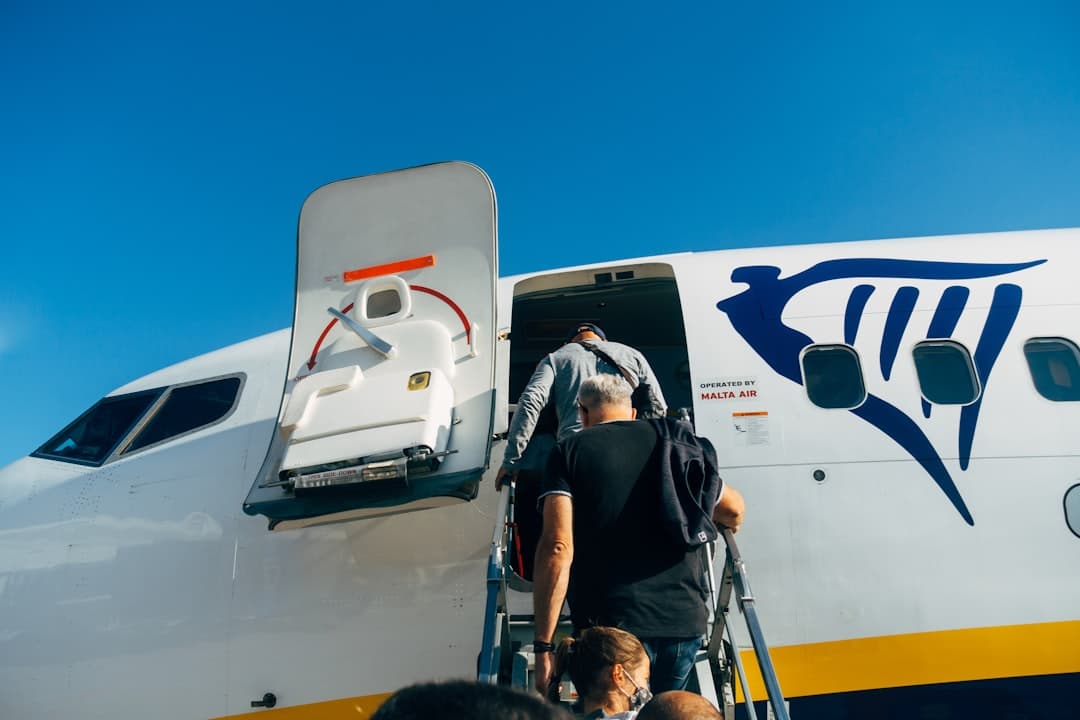
Traveling can be challenging—but flying with special needs doesn’t have to be. This guide covers your legal rights, preparation tips, Logan Airport’s accessibility resources, and expert advice to ensure a smooth, stress-free journey.
Know Your Legal Rights as a Special-Needs Passenger
When flying with special needs, it’s essential to know the protections that guarantee you fair treatment and full access to air travel. The Air Carrier Access Act (ACAA) sets the baseline standards that all U.S. and U.S.-bound airlines must follow:
1. Non-Discriminatory Practices
- No Refusals Based on Disability: An airline may only deny boarding if a passenger’s disability creates a documented safety risk—such as inability to fasten a seatbelt or follow safety instructions. If you believe you’ve been unfairly refused, request a written explanation and file a complaint with the U.S. Department of Transportation.
- No Forced Companion Requirement: You cannot be compelled to travel with a companion unless a medical professional documents that you need one for safe travel (for example, if you cannot self-assist during an emergency). If an airline staff member insists, ask to speak with a supervisor and reference the ACAA regulations.
2. Accessible Aircraft Requirements
All newer aircraft must incorporate specific features to accommodate passengers with mobility impairments:
- Accessible Lavatories: On twin-aisle planes (e.g., wide-body aircraft), at least one restroom must be large enough for a wheelchair user, with grab bars and wider door openings.
- Movable Armrests: At least half of the aisle-adjacent seats must have armrests that swing up or out, making it easier to transfer from a wheelchair into the seat.
- Foldable Wheelchair Storage: Airlines must provide a dedicated, clearly labeled storage area where your foldable wheelchair can be stowed without additional fees and returned to you immediately upon landing.
Additionally, any assistive device—from manual wheelchairs to portable oxygen concentrators—must be carried free of charge and given priority handling. Label your equipment clearly, notify gate agents at boarding, and request that your device be returned planeside upon arrival—not at baggage claim.
Preparing to Fly with Special Needs
Choosing the Right Airline
- Policy Research: Before booking, visit the airline’s “Accessibility” or “Special Assistance” page to confirm they offer wheelchair assistance, pre-boarding, and in-flight support. Look for airlines with dedicated disability hotlines and clear online guides.
- Customer Feedback: Check forums or disability-travel blogs for real-world experiences—airlines that go above and beyond often earn repeat recommendations.
- Notify in Advance: Use the “request special services” option when booking or call the airline at least 48 hours before departure. Specify exactly what you’ll need at each step: check-in, gate, boarding, restroom assistance, etc.
Booking Your Flight
- Seat Selection:
- Aisle seats offer easier access for transfers and in-seat wheelchair storage.
- Bulkhead or extra-legroom seats reduce the chance of bumped elbows and give more maneuvering space.
- Timing & Layovers:
- Morning flights historically run more on-time—minimize stress from delays.
- Planned layovers can break up long journeys but require extra coordination for re-screening and transfers.
Medical Readiness
- Doctor Consultation & Letter: Obtain documentation detailing your condition and any medical devices you carry—this can expedite disputes and clarify needs to staff.
- Pack Extra Meds & Supplies: Keep all medications, chargers for medical devices, and backup batteries in your carry-on. Label everything clearly with dosing instructions.
- FAA/TSA-Approved Equipment: Verify that any mobility device, oxygen concentrator, or pump is on TSA’s approved list. If in doubt, carry manufacturer specs and FAA exemption letters.
Airport Programs & Resources
Sensory/Calming Room (Terminal E)
Logan's sensory room near Gate E15 in Terminal E offers dimmed lights, soft seating, and tactile panels. It is available to any traveler who needs a calm environment before or after clearing security—no appointment required.
Wings for Autism
A free, half-day “test run” where families practice every step—ticketing, bag check, TSA screening, and boarding—without leaving the airport. Held each April and November; register via the Charles River Center
Hidden Disabilities Sunflower
Pick up a free sunflower lanyard at Logan's information desks to discreetly signal to trained staff that you may need extra time or assistance. Staff trained in the Hidden Disabilities Sunflower program will offer help proactively—without you needing to explain your condition. Hidden Disabilities Sunflower Program Updates
TSA Cares
Call TSA Cares (1-855-787-2227) at least 72 hours before your flight to arrange a dedicated Passenger Support Specialist who will meet you at the security checkpoint, walk you through screening procedures, and provide hands-on assistance. For Further Assistance: TSA Cares
At the Airport: Smooth Procedures
Security & Check-In
- Pre-Checklist: Remove electronics, travel-size liquids, and metal items into separate bins—consider TSA-approved toiletry bags to speed up belt placement.
- Fast-Track Lanes: Use TSA PreCheck lanes in Terminals A, B, and E—no shoe or belt removal. CLEAR lanes are also available in A and B for ID verification.
- Mobile Passport & Global Entry: Download and complete your profile before arriving; save time at customs kiosks in Terminal E.
Passenger Support
- Information Desks: Located in every terminal’s ticketing lobby—ask for elevator/ramp directions, gate-change notifications, or stroller rentals.
- FlyLogan App: View terminal maps with accessibility features marked (elevators, ramps, restrooms), get live security-wait times, and receive gate alerts.
- Massport Passenger Services: Offers ADA guidance, food-allergy accommodations, and family-travel support. Details here https://www.massport.com/logan-airport/at-the-airport/ada-compliance-and-accessibility/external.
Expert Tips for Flying with Special Needs
- Mock Flights & Airport Visits
- Why It Helps: A rehearsal trip eases anxiety—your child learns exactly what to expect.
- How to Do It: Contact your departure airport’s family assistance program or local special-needs organizations (e.g., Wings for Autism) to schedule a mock check-in, security screening, and “boarding” experience. Even a short practice run through ticketing and TSA lanes can demystify the process.
- Social Stories & Videos
- Why It Helps: Visual aids break down complex procedures into predictable steps.
- How to Do It: Create simple 4–6 page social stories (with pictures or icons) showing key moments—arriving at the airport, walking through security, taking their seat on the plane. Websites like Autism Speaks offer free printable templates; library children’s DVDs on “first airplane ride” can serve the same purpose.
- Backup Plans
- Why It Helps: Unplanned delays or gate changes can trigger stress—having a Plan B keeps everyone calm.
- How to Do It:
- Extra Supplies: Pack an “entertainment kit” with noise-canceling headphones, preferred snacks, and quiet fidget toys.
- Alternate Routes: Note nearby airport restaurants or quiet areas in case you need to exit the gate area.
- Emergency Contacts: Store local medical centers at your destination and your pediatrician’s contact info, in both paper and your phone.
- Parking Convenience
- Why It Helps: Eliminating one more worry makes the trip smoother from the start.
- How to Do It:
- Accessible Prepaid Parking: Choose lots with dedicated accessible spots near shuttle pickups—reserve ahead on platforms like Airport Parking Boston or directly through the airport website.
- Valet & Curbside Drop-Off: If carrying bulky medical equipment, consider curbside drop-off or paid valet so you can head straight to check-in without navigating parking lots.
- To compare the right options for your situation, check out our Airport Parking Guide
Additional Resources and Links
- ACAA Overview (U.S. DOT): Read the full text of the Air Carrier Access Act and related FAQs to understand your rights in detail.
- The Arc’s Travel Tips for Special-Needs Families: Practical guides on everything from packing to interacting with airline staff—ideal for parents seeking step-by-step checklists.
- Wheelchair Travel – Air Travel Tips: A specialized resource for users of mobility devices, covering pre-flight inspections, gate assistance procedures, and in-flight storage techniques.
- Massport ADA Compliance & Accessibility: Learn about Boston Logan’s terminal-specific accommodations, from ramp locations to accessible restroom maps
- Wings for Autism (Charles River Center): Register for upcoming mock-flight events to practice ticketing, TSA, and boarding procedures in a low-stress environment
- Hidden Disabilities Sunflower Program: Discover how wearing a discreet sunflower lanyard alerts airport staff to offer you extra assistance
- TSA Cares: Arrange for a dedicated TSA Passenger Support Specialist to guide you through security—call at least 72 hours before travel.
Flying with special needs takes planning, but Logan Airport's accessibility programs—from the Terminal E sensory room to TSA Cares and Wings for Autism—mean you don't have to navigate the airport alone. Bookmark this guide, contact your airline at least 48 hours before departure, and use WELCOME10 for 10% off Boston Logan airport parking when you're ready to book.
Ready to Book Your Boston Logan Parking?
Compare prices from top-rated Boston Logan parking lots and save on your next trip.
Find Parking Now